Blog
How To Find The Best Nursery For My Child
Choosing the best nursery for your child can be a daunting task. You want to find a place that is safe, stimulating, nurturing and affordable? Does your convenience as Nursery to be close to your home or work place always matches with the best choice for your child?
If we can answer with one word , it will be RESEARCH. But how do you know what to look for when you visit different nurseries? Here are some tips to help you make an informed decision.
Food, hygiene and safety:
Safety, health and healthy nutrition is a top priority for parents when it comes to choosing nursery for their child .You can ensure high food quality and hygiene in a nursery by requesting to see the menus, food safety policy, and food hygiene rating. Direct observation of cleanliness and security of premises and surroundings during visits is vital.
Staff:
The most important factor in a nursery is the quality of the staff. Remember that at the very least they will replace your care for your young child. They should be qualified, experienced, caring and enthusiastic. You should observe how they interact with the children, how they handle challenging situations, and how they communicate with parents. For example, you can observe how they greet the children in the morning, how they respond to their questions and needs, and how they share information with you. You should also ask about the staff-to-child ratio and staff qualification and experience.
Environment /outside and inside/:
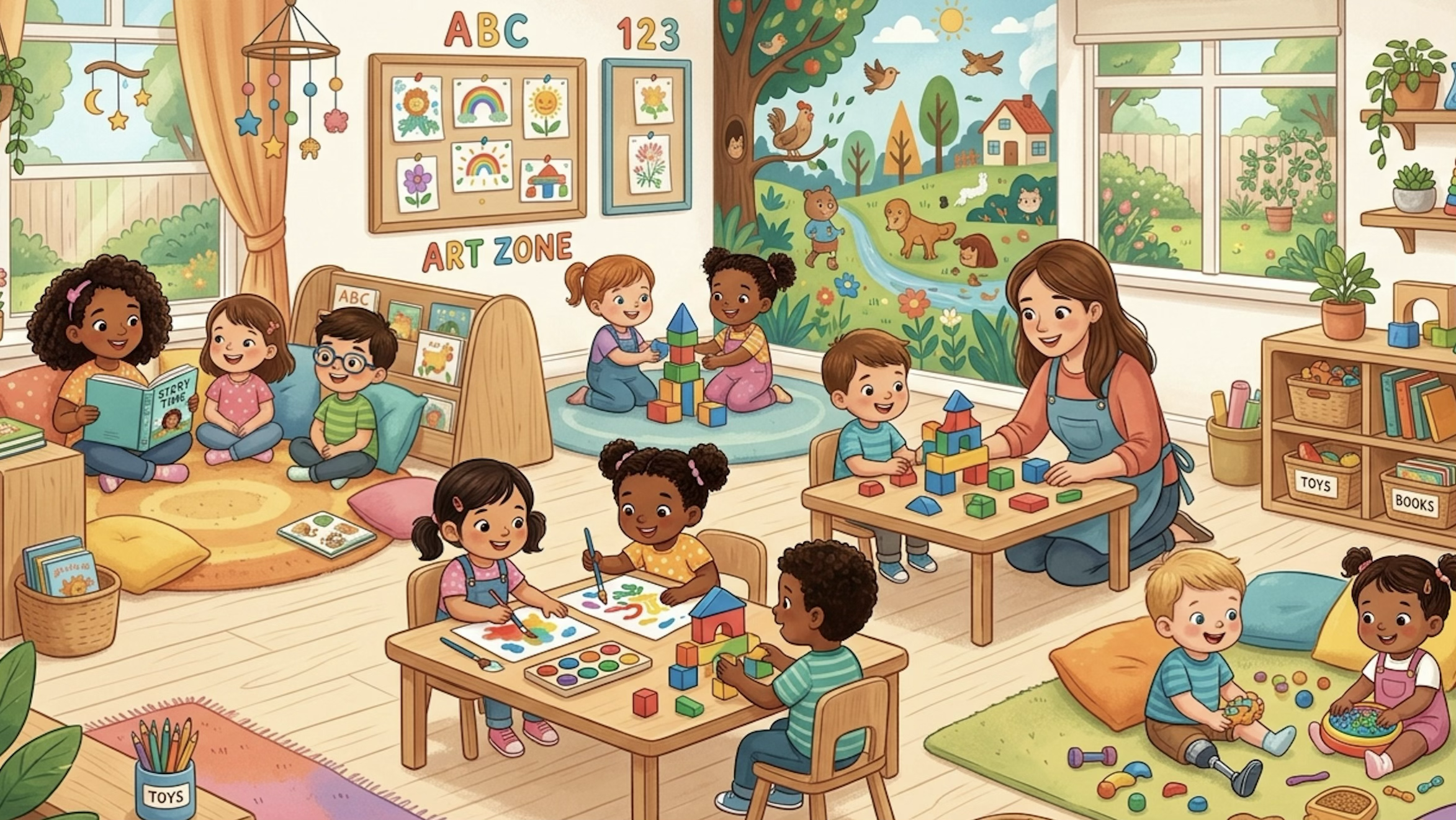
The nursery environment should be clean, bright, spacious and well-equipped. It should have a variety of toys, books, games and materials that suit the different ages and stages of development of the children. It should also have areas for different activities, such as reading, art, music, play and rest. For example, you can look for signs of children's work and creativity on the walls, shelves and tables, as well as evidence of their learning and progress. You should check if the nursery has a secure outdoor space where the children can enjoy fresh air and physical exercise. Remember that the child learns through play/acting.
Curriculum:
The nursery curriculum should be based on the latest research and best practices in early childhood education. It should offer a balance of structured and unstructured activities that foster the cognitive, social, emotional and physical development of the children. It should also reflect the diversity and interests of the children and their families. For example, you can ask to see some examples of the daily or weekly plans, projects and themes that the nursery follows, as well as how they incorporate children's ideas and suggestions. You should ask about the learning goals, methods and assessments that the nursery uses.
Policies:
The nursery policies should be clear, consistent and transparent. They should cover important aspects such as health and safety, discipline, inclusion, fees and opening hours. For example, you can ask how the nursery handles emergencies, illnesses, allergies, accidents and complaints, as well as how they support children with special needs or different backgrounds. You should read the policies carefully and ask any questions you may have. You should also find out how the nursery communicates with parents and involves them in their child's learning and care.