Common parental concerns about public schools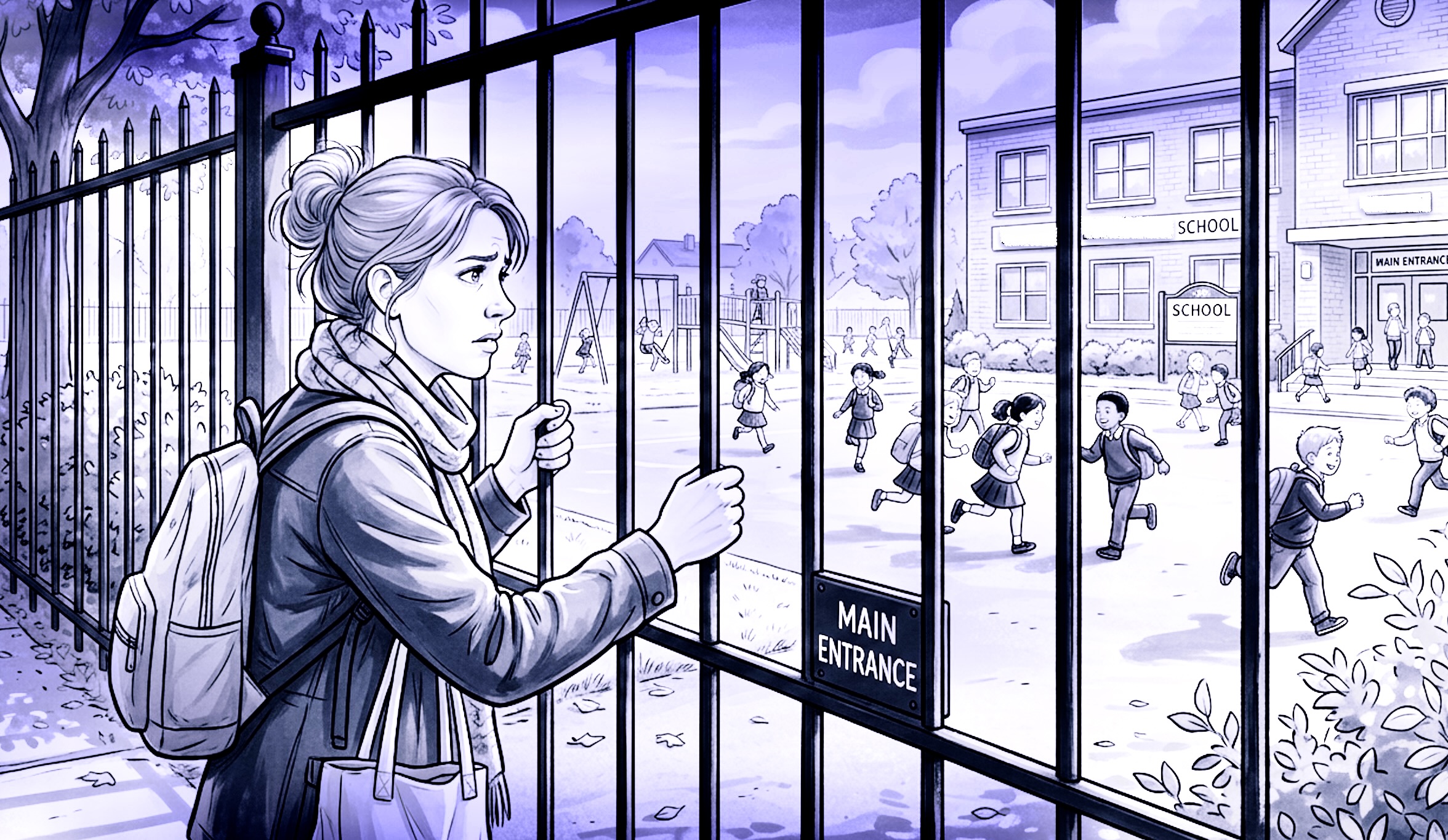 Parental main worries about public schools are formed by a complex of factors and their interconnection. Some commonly cited concerns include:
Limited Funding: School funding is often limited by a reliance on local property taxes, real-terms budget cuts due to rising costs and inflation.
Teacher Shortage: A teacher shortage is driven by high attrition, low salaries, poor working conditions and rising demand.
Social Expectations and Academic Performance: There is a gap between high expectations for academic and career success, safety and inclusion, behavioural norms and the actual experiences of students and parents.
Standardised Test Scores: Parents may be dissatisfied if their child's test scores don't meet expectations or fall below national or regional averages.
Lack of Individualised Attention: Some parents worry their children might not receive enough personalised support due to large class sizes or limited resources.
Curriculum Issues: Parents may disagree with the curriculum content, methodology, or perceived lack of focus on specific subjects they value.
School Environment and Safety Concerns: Parents may be worried about issues like bullying, violence, or a lack of security within the school environment.
Discipline and Management: Parents might disagree with disciplinary practices or feel the school doesn't adequately address behavioural issues.
Insufficient Resources: Concerns about inadequate resources like outdated facilities, limited access to technology, or a lack of qualified teachers can contribute to dissatisfaction.
Equity and Inclusion: Parents may feel their child's needs are not being adequately met due to factors like socioeconomic background, disability, or cultural differences.
Lack of Diversity: Concerns might arise about a lack of diversity in the student body, faculty, or curriculum, potentially hindering cultural understanding and inclusivity.
Parental Involvement: Some parents might feel excluded or inadequately informed about their child's education and desire greater involvement in decision-making processes.
These are just some of the potential reasons, and the relative importance of each factor will vary depending on individual parents, their priorities, and their specific experiences with their child's school. |