Blog
Integrating Soft Skills Into the Curriculum - Solutions
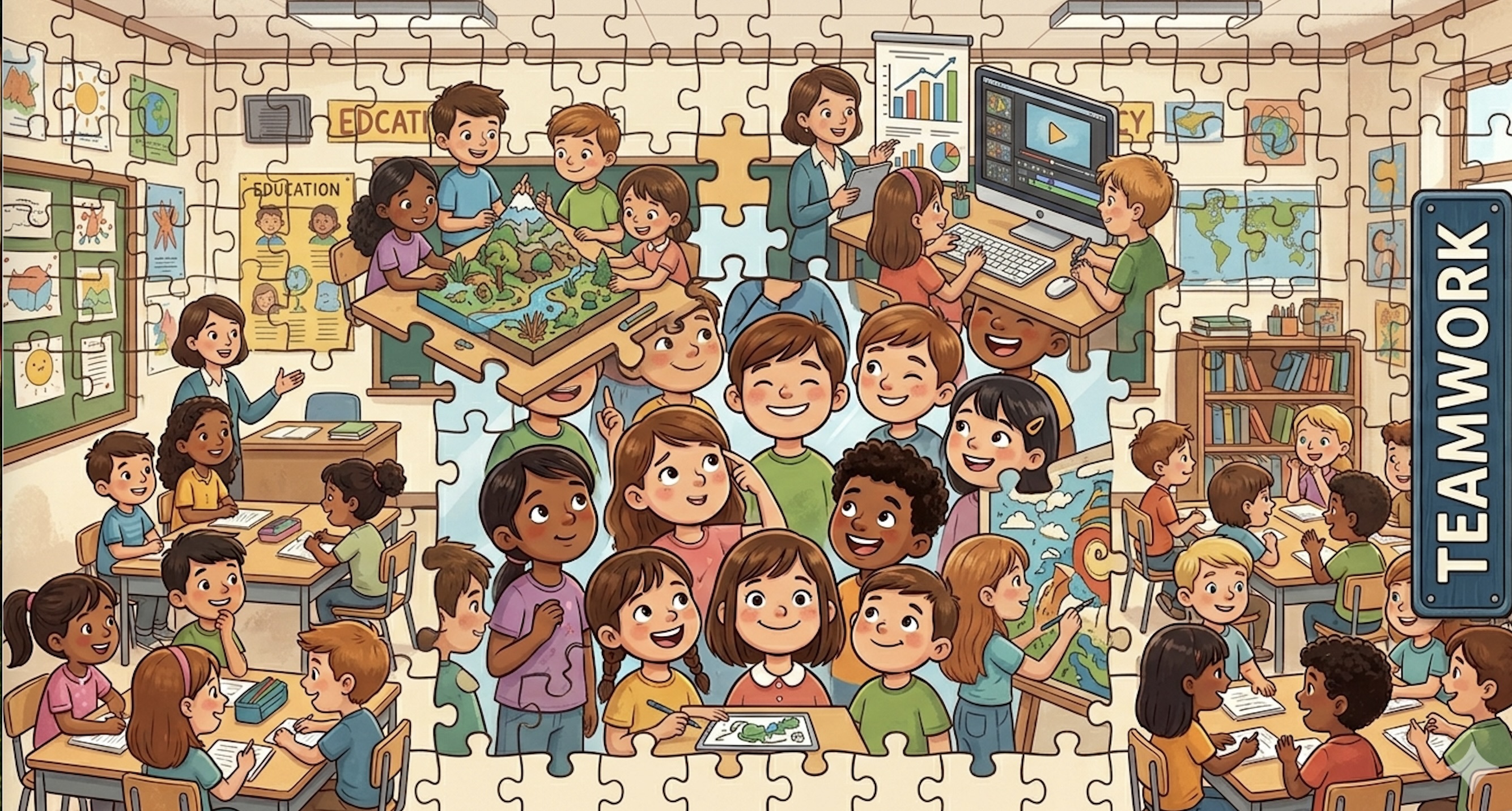
There's a strong case for integrating these new skills into the curriculum.
Here are some possibilities:
Thematic Learning: Weaving these skills into existing subjects can be a creative approach. For instance, science projects could incorporate coding and problem-solving activities.
Dedicated Time Slots: While not overloading the schedule, allocating specific class time for PSHE, coding basics, or digital literacy can introduce students to these essential concepts.
Project-Based Learning: Encouraging collaborative projects can foster critical thinking, communication, and teamwork skills.
Building a Strong Foundation: PSHE (Personal, Social, and Health Education) equips students with the knowledge and skills to make healthy choices and manage their well-being. These skills form a strong foundation for lifelong learning and personal development.
However, there are also some challenges to consider:
Curriculum Overload: Fitting new subjects into an already packed curriculum can be difficult. Finding the right balance between traditional subjects and these important new skills is crucial.
Teacher Training and Resources: Schools may need to invest in professional development for teachers to ensure they have the knowledge and resources to effectively deliver instruction in these new areas.
Assessment and Evaluation: Developing effective methods to assess and evaluate student progress in these subjects is important. Traditional testing methods may not be suitable for measuring skills like creativity or collaboration.
By carefully considering the challenges and finding creative solutions, schools can make significant strides towards integrating these important subjects into the learning experience.