Ethics & Morals And Тheir Place In Life and Education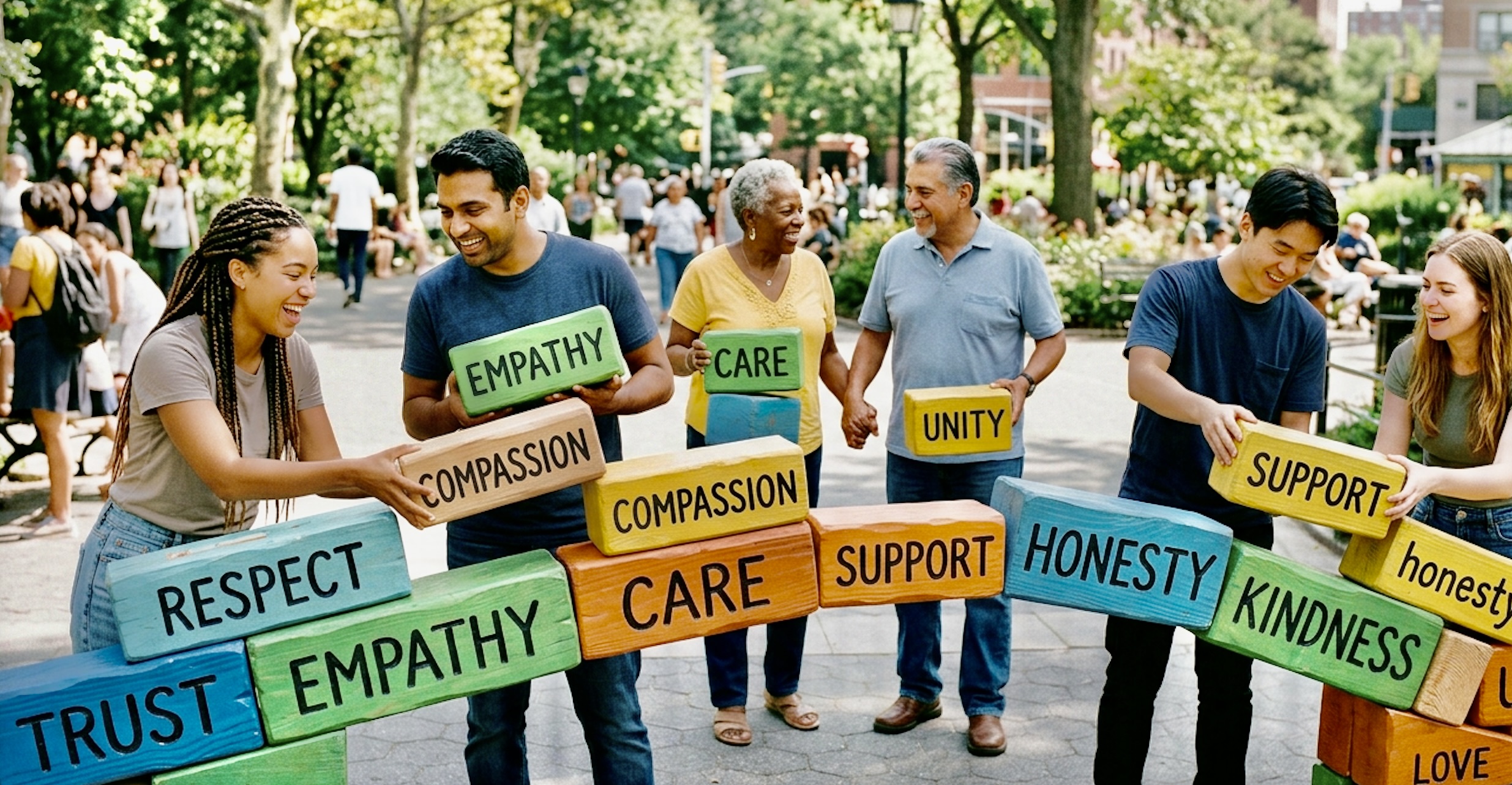 Is it time to reconsider the role and importance of Ethics & Moras subject in the century of one of the most frustrating paradoxes of being human - people are nearly “Gods” in the technological reach, but “Palaeolithic” in their emotional and moral reactions.
At the core, ethics and morals encompass the principles that guide human behaviour and their subject is the framework which people use to navigate the reality of right and wrong, just and unjust. As a drivers of ethical behaviour, Ethics and Morals delve into these fundamental concepts and consequences of ethical actions.They serve as a compass that directs humans towards actions that are considered right, just, and good, contributing positively to the lives of individuals and the collective society.
Ethics is not inborn or instinctive; rather, it develops through the interaction between people and learning. It’s more like a work in progress that grows as we pick things up from the people around us, our culture, and even the law. At the end of the day, it’s all about how we think, how we live together, and what it actually looks like to lead a life worth living.
It teaches people why they should stand behind their actions, focusing on empathy, social justice, and critical reasoning. Ethics and Morals education develops "soft skills" / for example ethical leadership, adaptability, responsibility and critical thinking/, which are increasingly valued as AI takes over procedural tasks. In an age of automated decisions, this subject is essential for ensuring technology serves human well-being rather than creating harm or inequality. The essence of Ethics and Morals is accountability. They remind us that our actions have weight, that other people’s well-being matters, and that living "well" requires more than just following our instincts - it requires reflection.
While STEM (Science, Technology, Engineering, and Mathematics) subjects equip people to function in the world, Ethics and Morals equip them to live well and responsibly. STEM is essential for progress, but ethical education is essential for humanity. Without ethics, technical skills can become dangerous; with them, those same skills are used to create a better world.
Unlike STEM, Ethics and Morals are generally neither compulsory nor treated as standalone subjects in modern education. Instead, they are commonly integrated into the curriculum through Social Studies, Citizenship, or Religious Education.
As we currently face a "Great Gap" between our advanced technology - such as AI, social media and nuclear weapons - and our "Stone Age hardware" / our 50,000 - year - old brains/ and as humanity struggles to move away from "my country first" toward a unified ethical framework for planetary survival, is the integration of these subjects truly the optimum solution? |